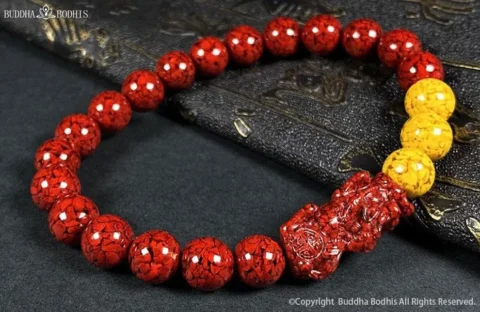



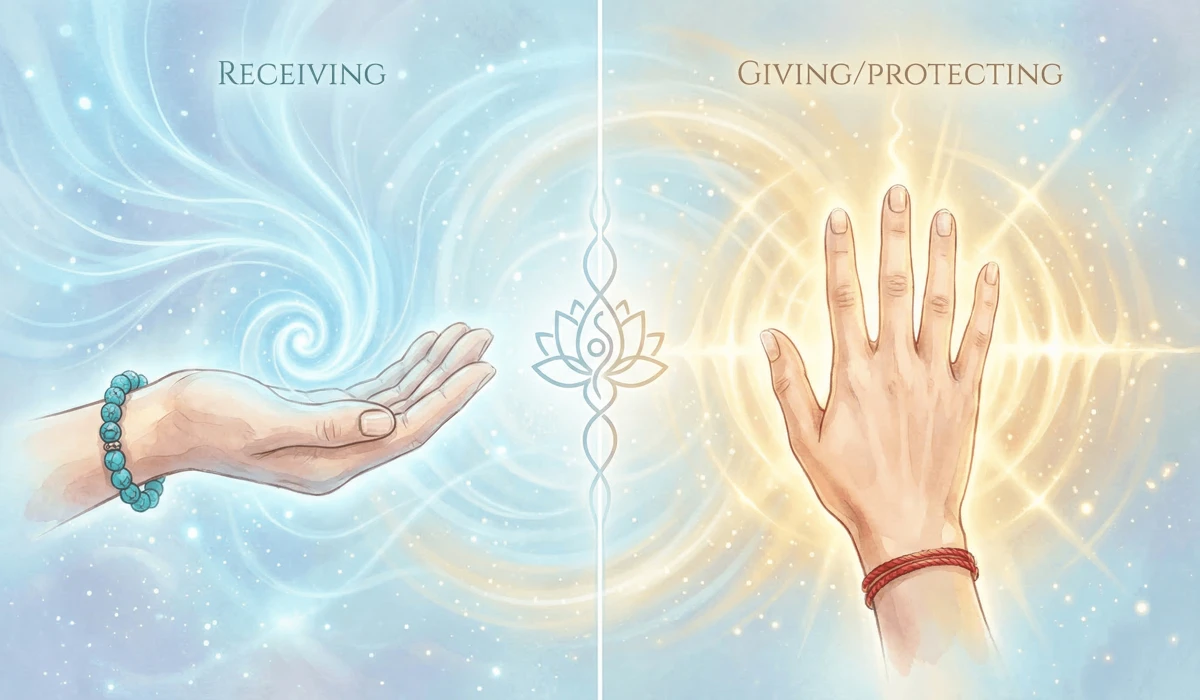
A Tibetan bracelet should generally be worn on the left hand if you want to receive positive energy, or on the right hand if you wish to give energy or provide protection. This choice depends on your personal spiritual goals and the specific intention you set for the piece. We have found that understanding this simple “receiving versus giving” rule helps our community get the most out of their sacred jewelry.
- The left hand is the traditional receiving hand for attracting luck and healing.
- The right hand is the giving hand used for projecting power and protection.
- Tibetan bracelets are handcrafted tools for mindfulness and spiritual alignment.
- Proper care includes smoke cleansing and respectful storage on an altar.
- The “endless knot” represents infinite wisdom and the interconnectedness of life.
What Is a Tibetan Bracelet?
Definition
A Tibetan bracelet is a spiritual accessory often handcrafted by monks or skilled artisans in the Himalayan region. We often refer to these pieces as a “Buddhist wrist mala” or a Tibetan lucky knot bracelet. These items serve as a constant physical reminder of mindfulness, compassion, and the core teachings of the Buddha.
Origin & Materials
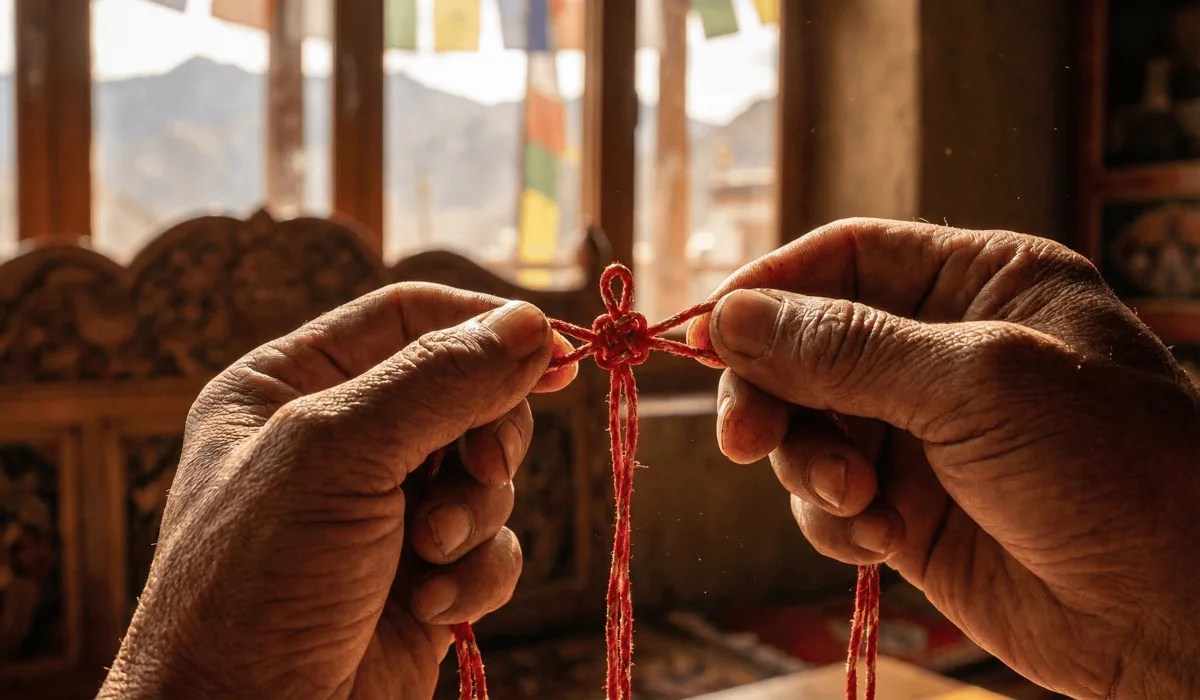
These pieces are deeply rooted in Tibetan Buddhism and the ancient folk traditions of the high mountains. They are crafted from materials like sacred cord (nylon or silk), yak bone, sandalwood, or copper beads. In our experience sourcing these materials, we often find stones like turquoise (the Soul of the Earth) or red coral used for their deep symbolism.
Basic Characteristics
Most authentic pieces feature the lucky knot, which is tied while the maker recites sacred mantras. Some designs may also include beads engraved with the Om Mani Padme Hum mantra for added spiritual resonance. You can find these in various styles, ranging from a simple red string bracelet to elaborate gemstone strands.
Spiritual Meaning & Symbolism
The red string is a powerful symbol representing the life force, protection, and the sacred thread that binds us to the divine. This tradition is shared across many Eastern cultures where red is seen as a color of bravery and sacred energy. When we hold these bracelets, we feel the weight of centuries of spiritual practice behind every knot.
Energy Flow and Nadi
Tibetan traditions recognize the energy flow Nadi, which are invisible channels that allow life force, or Prana (Chi), to move through the body. The body is seen as a vessel where energy typically enters through one side and exits through the other. Wearing a spiritual protection bracelet helps to filter or amplify this natural internal circulation.
Cultural or Historical Context
Historically, nomads and monks in Tibet wore these items to ward off negative spirits during long mountain travels. They also use the beads during meditation to count breaths, much like a standard prayer mala. This practice reflects the beautiful Tibetan tradition of blending everyday aesthetic beauty with practical, functional spirituality.
Benefits & Intentions Associated with Tibetan Bracelets
Many practitioners wear these pieces as spiritual protection jewelry to create a symbolic shield against negative environmental energy. We have seen how a wealth attraction bracelet can help a wearer focus their mind on abundance and prosperity. The Tibetan lucky knot bracelet remains a favorite gift for those starting new chapters in their lives.
These bracelets act as a “tactile anchor” to bring you back to the present moment during stressful or busy times. They encourage the cultivation of Metta (loving-kindness) toward yourself and everyone around you. By wearing one, you align your personal vibration with ancient virtues like patience and wisdom.
| Feature | Tibetan Bracelet | Feng Shui Bracelet |
|---|---|---|
| Primary Focus | Internal mindfulness and mantras | External environmental harmony |
| Common Symbols | Lucky knots and Dzi beads | Pixiu and Five Elements |
| Material Base | Sacred cord and organic beads | Crystals and metal charms |
How to Wear a Tibetan Bracelet?
Left Hand vs Right Hand (The Logic of Energy)
The left hand is considered the “pure hand” or the receiving hand in many Eastern traditions. It is believed to be the portal through which we accept divine blessings and positive energy flow. If your goal is to attract good luck, healing, or inner peace, the left wrist is your best choice.
Conversely, the right hand is the “action hand” or the projecting hand used to release energy into the world. You should wear your bracelet on the right side if you want to project power or ward off external negativity. To understand more about this balance, Crystal Bracelet Hand Meanings offers more specific insights into these energetic channels.
When People Choose to Wear It?
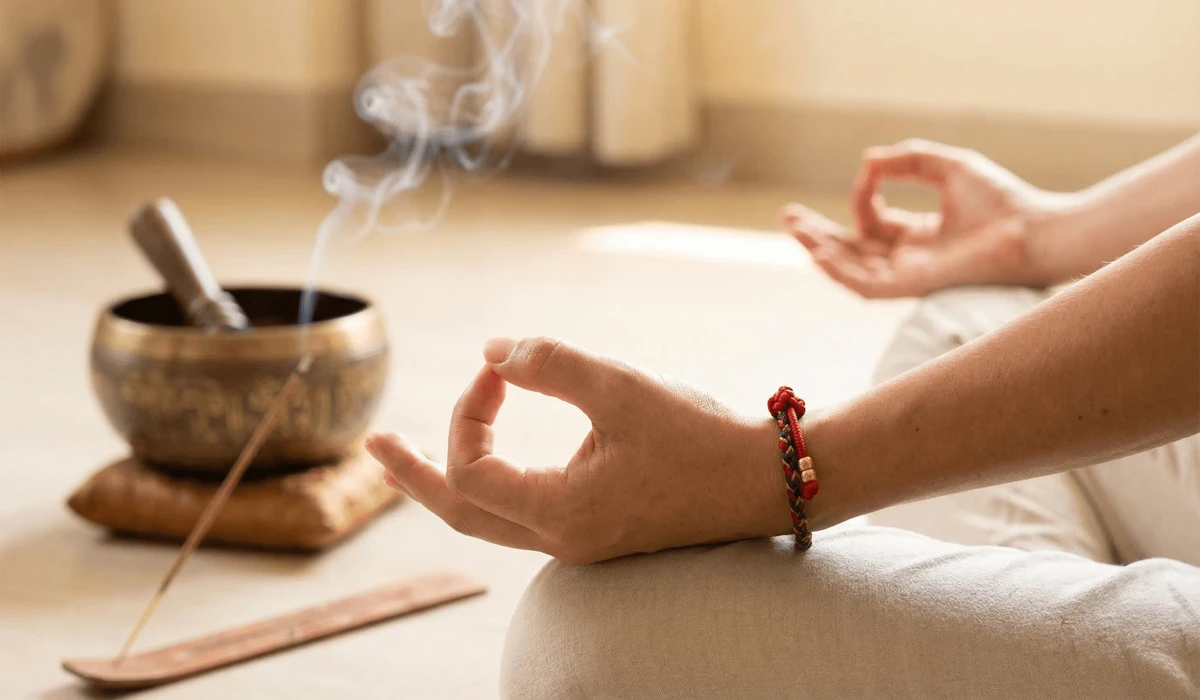
Many of our clients choose to wear their authentic Tibetan bracelets 24/7 to maintain a constant spiritual connection. Some prefer wearing them only during meditation or sacred rituals to keep the energy fresh and focused. It is especially common to wear them during life transitions, such as moving to a new city or starting a new career.
Intention-Setting Practices
Before putting the bracelet on for the first time, hold it in both hands and take several deep breaths. You might recite a personal mantra or the traditional “Om Mani Padme Hum” to align your spirit with the bracelet’s purpose. To find a piece that matches your intention, you can explore Tibetan Bracelet Collection and see which design speaks to you.
Tibetan Bracelets vs Similar Spiritual Jewelry
Tibetan styles focus heavily on the blessing of the maker and the power of the knot itself. In contrast, jewelry studied by the Gemological Institute of America often focuses on the physical properties of gemstones. While a Feng Shui bracelet might target external wealth, the Tibetan version seeks internal balance first.
Crystal healing bracelets rely primarily on the geological vibration of stones like Amethyst or Rose Quartz. Many traditional Tibetan pieces do incorporate crystals, but the “sacred knot” remains the central spiritual feature of the design. You can explore different Crystal Healing Meanings to see how stones might complement your cord bracelet.
Who Is a Tibetan Bracelet Suitable For?
These bracelets are ideal for anyone working on the Heart Chakra via the left hand to invite deeper compassion. They are also suitable for those seeking Root Chakra grounding and protection through the right hand. Anyone interested in balancing their internal Nadi channels will find these tools beneficial.
These pieces are perfect for minimalist seekers who want a subtle yet powerful spiritual tool for daily use. They suit individuals who value handmade, artisanal items that carry a rich cultural history. We believe these are an inclusive choice for anyone who respects Himalayan wisdom, regardless of their specific religious background.
How to Cleanse, Charge, and Care for Your Bracelet?
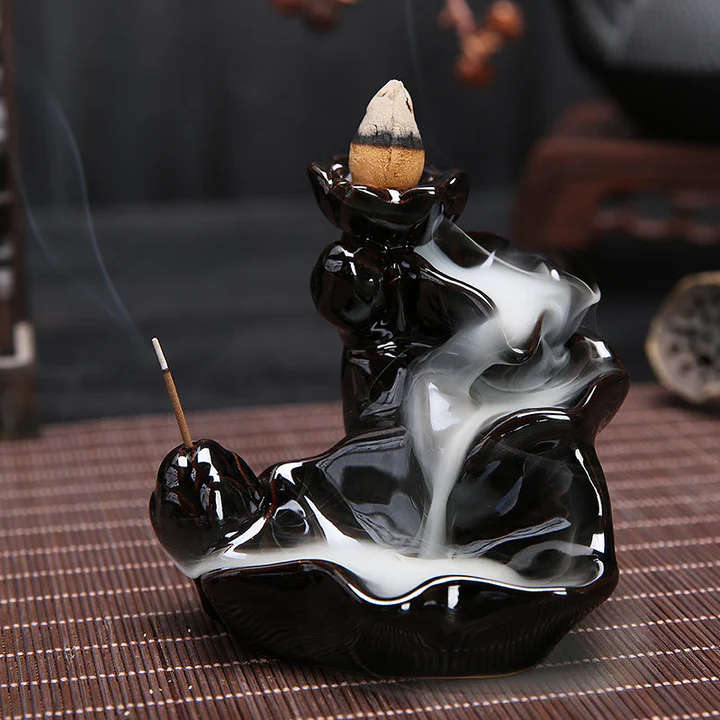
Smoke cleansing is a traditional way to refresh your bracelet by passing it through the smoke of natural sandalwood. You can also use a Tibetan singing bowl to “shake loose” stagnant energy through high-frequency sound vibration. Another simple method is using your intentional breath to gently blow on the knots while visualizing clarity.
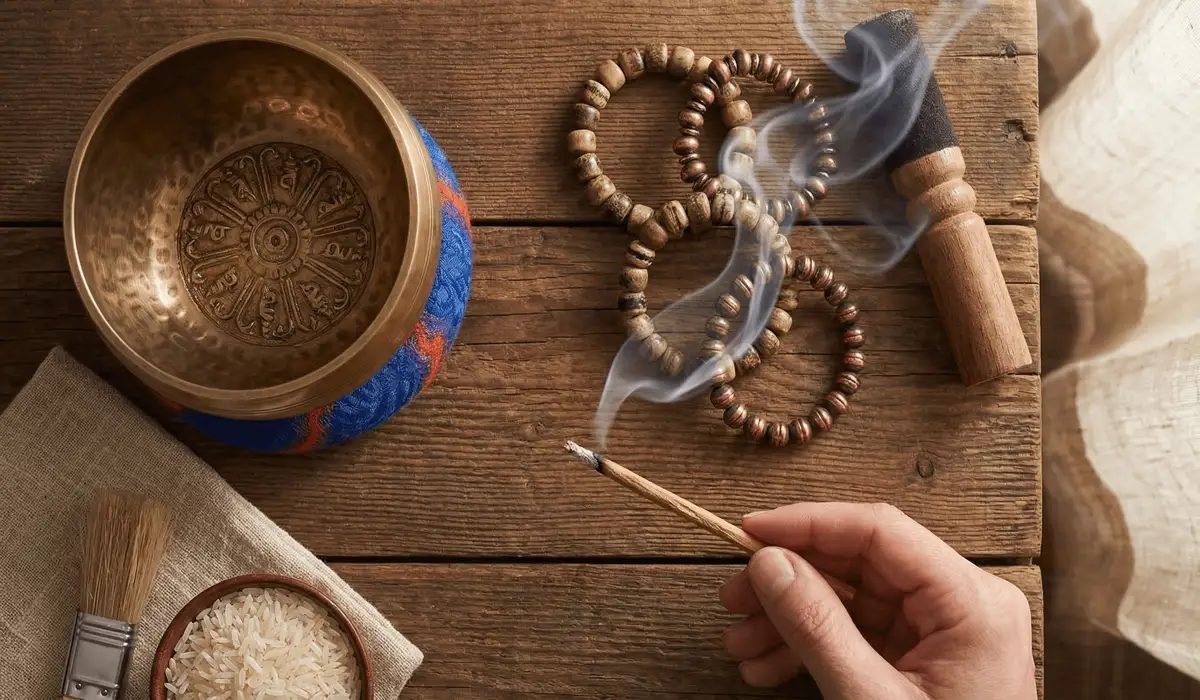
To charge your bracelet, place it on a windowsill during a full moon to soak up gentle, refreshing energy. Chanting your favorite mantra while holding the beads is another excellent way to reinvigorate the spiritual connection. If you are interested in the scientific study of minerals, organizations like Gemmological Association of Great Britain provide resources on how different materials react to the environment.
Daily Care & Storage
We recommend avoiding wearing delicate silk or cotton cord bracelets in the shower to prevent them from fraying over time. Always store your bracelet in a clean, elevated place like an altar to show proper Buddhist bracelet etiquette. Here is a list of best practices for maintaining your sacred items:
- Handle your bracelet with “pure hands” after washing them.
- Avoid placing the bracelet on the floor or in unclean areas.
- Keep the bracelet away from harsh chemicals or perfumes.
- Check the knots periodically for signs of wear and tear.
- Store it separately from other jewelry to avoid tangling.
By treating your bracelet with this level of respect, you honor the artisan who made it and the tradition it represents. For more information on the history of these regions, you can visit online Encyclopedia resource to learn about Himalayan culture.
Frequently Asked Questions
Q: Which wrist do you wear a Tibetan bracelet on for luck?
A: Traditionally, the left wrist is preferred for attracting luck, as it is considered the receiving hand for divine blessings.
Q: Is the left hand the receiving hand in Tibetan tradition?
A: Yes, the left hand is widely recognized as the receiving side, allowing positive energy and vibrations to enter the body’s energy system.
Q: What is the meaning of a Tibetan lucky knot bracelet?
A: It represents the Endless Knot, signifying the Buddha’s infinite wisdom, the union of compassion and wisdom, and the interconnectedness of all life.
Q: How do I cleanse and charge my Tibetan bracelet?
A: You can cleanse it using the vibration of a singing bowl or incense smoke, and charge it by setting fresh intentions or placing it under the moonlight.
Q: Does it matter which hand a man wears a Tibetan bracelet on?
A: The energy principles of receiving (left) and giving (right) generally apply to everyone regardless of gender, though personal intuition should always be the final guide.
Conclusion & Gentle Next Step
Whether you choose the receiving left hand or the projecting right hand, the most important element is your own mindfulness. Wearing a Tibetan bracelet is a beautiful way to honor ancient Himalayan traditions while supporting your modern spiritual wellness. By treating your bracelet with respect and setting clear intentions, you invite harmony and balance into your daily life.
The energy of a Tibetan bracelet is a reflection of your own heart. We invite you to browse our curated selection of authentic, handcrafted pieces to find the one that resonates with your unique spiritual journey.
The content provided is for informational and cultural exchange purposes only. It does not constitute medical, legal, financial, or other professional advice. If you have specific concerns, readers should consult with a qualified professional.

Written by the Buddha Bodhis Team
Since 2020, we have been devoted to exploring traditional year-based wisdom, classical Feng Shui principles, and the rich spiritual symbolism rooted in Eastern cultural heritage. Our work bridges ancient metaphysical systems with modern life, interpreting annual cycles, elemental energies, and symbolic meanings to offer thoughtful insight and practical guidance. Through continuous research and practice, we aim to preserve traditional knowledge while making it accessible, relevant, and meaningful for contemporary seekers of balance, intention, and personal growth.
TikTok | YouTube | Pinterest | X
buddhabodhis@gmail.com